
Detection Systems That Never Lose Connection
Hardwired Smoke and Carbon Monoxide Detectors in Seekonk, MA, Providence, RI and the nearby area for homes requiring interconnected life safety systems that meet current code
Battery-only smoke detectors fail during power outages or when batteries die unnoticed, which means fires or carbon monoxide buildup go undetected when detection matters most. Hardwired smoke and carbon monoxide detectors connect directly to your home's electrical system with battery backup, and interconnect so that when one detector activates, all detectors throughout the house sound alarms simultaneously. Tarinelli Electric Inc. installs, replaces, and tests hardwired detection systems that comply with Massachusetts electrical and life safety codes, providing dependable protection that does not rely solely on battery maintenance.
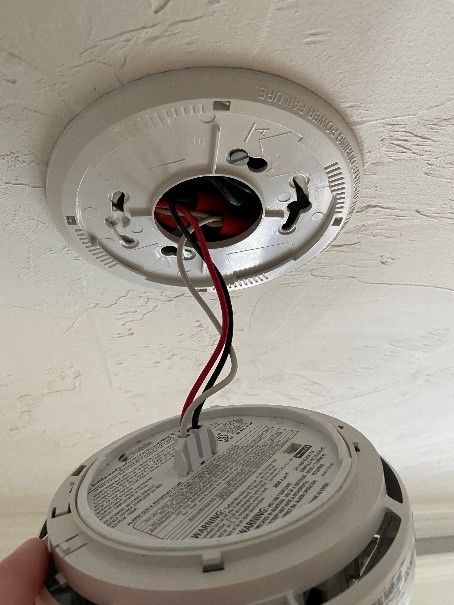
Hardwired detector installation requires running electrical wiring between detector locations and connecting them through a dedicated circuit at the electrical panel. Interconnected detectors use a third wire that carries the alarm signal between units, ensuring that a fire starting in the basement triggers alarms in upstairs bedrooms where occupants are sleeping. Each detector includes battery backup that maintains operation during power outages, combining the reliability of constant electrical power with the redundancy of battery backup.
Schedule detector installation or replacement to bring your home into compliance with current safety standards.
What Proper Detector Installation Requires
Detectors must be positioned according to code requirements that specify placement in each bedroom, outside sleeping areas, and on every level of the home including basements. Smoke detectors require specific mounting locations on ceilings or high on walls where smoke naturally rises, while carbon monoxide detectors need placement near sleeping areas and potential CO sources like furnaces and attached garages. Wiring must provide constant power and interconnection signaling while allowing detectors to be removed for testing and eventual replacement.
After installation, you have detection coverage throughout your home with all units responding simultaneously to any alarm trigger. When a detector senses smoke or carbon monoxide, every interconnected detector sounds its alarm regardless of where the hazard originates, which provides early warning even when the source is in a remote area of the house. The battery backup ensures continued protection during power outages, and hardwired power eliminates the gradual failure pattern that occurs when battery-only detectors slowly lose charge over months.
The installation includes running interconnected wiring to all detector locations, mounting detectors according to code-specified placement requirements, connecting to a dedicated circuit in the electrical panel, and testing all units to verify alarm function and interconnection operation. Detectors should be tested monthly and replaced every ten years regardless of apparent function, since sensor elements degrade over time and fail to detect hazards reliably even when the alarm chirp feature still works.
What Property Owners Usually Ask
These questions frequently come up during detector installation and replacement projects.
Why do all detectors need to be interconnected?
Interconnection ensures that a fire or CO event in one area of the home triggers alarms throughout the entire house, providing early warning to occupants in distant rooms or floors who would not hear a single isolated detector.
How does battery backup work in hardwired detectors?
Hardwired detectors contain replaceable batteries that automatically take over during power outages, maintaining full detection and alarm capability without interruption when electrical power is lost.
Where do smoke detectors need to be installed in Seekonk homes?
Massachusetts requires smoke detectors in every bedroom, outside each sleeping area, on every level including basements, and carbon monoxide detectors near sleeping areas and on every level of homes with fuel-burning equipment or attached garages.
Can new detectors connect to existing detector wiring?
New detectors can use existing wiring if the wire gauge and interconnection method match current code requirements and the wiring remains in good condition, though older two-wire systems may require rewiring to support modern interconnected detectors.
How often do hardwired detectors need replacement?
Smoke and carbon monoxide detectors should be replaced every ten years from the manufacture date printed on the unit, as sensor elements degrade and become unreliable regardless of power source or apparent function.
Tarinelli Electric Inc. handles all wiring, mounting, and testing to provide code-compliant life safety detection throughout your home. Contact us to schedule hardwired smoke and carbon monoxide detector installation or system upgrades.