
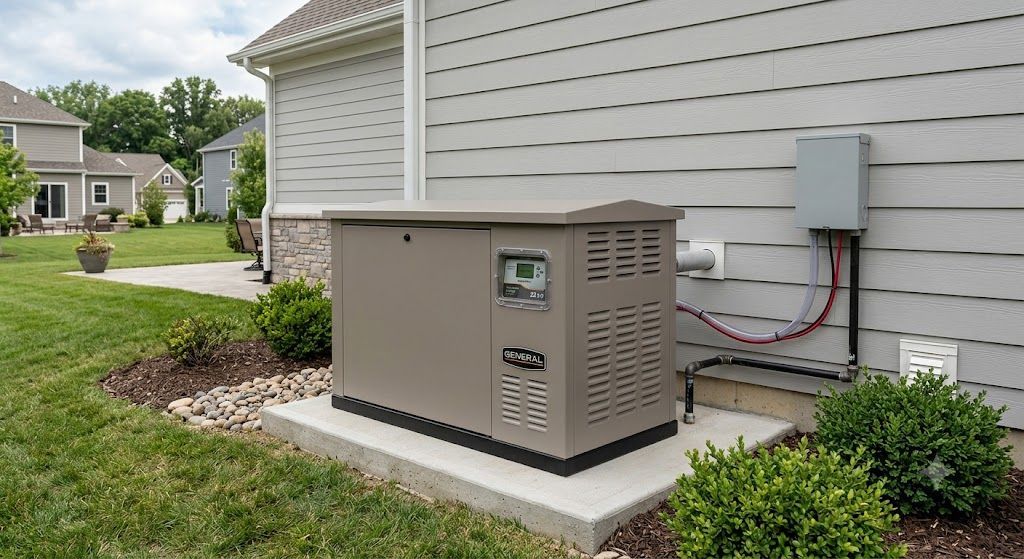
Power That Restores Itself Automatically
Standby Generator Installation in Seekonk, MA, Providence, RI and surrounding towns for homes and businesses that lose power during severe weather and utility interruptions
Power outages in New England during winter storms, summer thunderstorms, and hurricane season can last hours or days, which means frozen pipes, spoiled food, and disrupted business operations when electrical service drops. A standby generator automatically detects utility power loss and starts within seconds to restore electricity to essential circuits or your entire electrical system. Tarinelli Electric Inc. installs complete standby generator systems in Seekonk that integrate with your existing electrical panel through a transfer switch, ensuring seamless power transition without manual intervention.
Generator installation requires a concrete pad or mounting platform, a natural gas or propane fuel connection, electrical wiring from the generator to the transfer switch, and proper grounding. The transfer switch monitors utility power and automatically disconnects your home from the grid before connecting generator power, which prevents dangerous backfeeding into utility lines. Generators must be positioned to meet setback requirements from buildings and property lines while allowing adequate ventilation for exhaust and cooling airflow.
Schedule a site evaluation to determine the correct generator size and optimal placement for your property.
What Changes After Generator Installation Completes
The transfer switch continuously monitors incoming utility power and activates the generator automatically when an outage occurs, which means you do not need to be home or manually start equipment. Generator sizing determines which circuits receive backup power, with whole-house systems supporting all electrical loads and partial-house systems powering critical circuits like heating, refrigeration, and water pumps. Fuel supply must provide sufficient runtime for extended outages, which is why natural gas connections offer unlimited duration while propane tanks require capacity planning.
After installation, you will notice that lights, heating systems, and appliances continue operating during utility outages without any action required on your part. The generator starts, runs until utility power returns, then shuts down and reconnects your home to grid power automatically. Refrigerators and freezers maintain temperature, sump pumps keep basements dry, and heating systems prevent pipes from freezing regardless of outage duration.
The installation includes generator placement and mounting, fuel line connection, electrical wiring to the transfer switch, integration with your electrical panel, and full system testing under load. Generators require periodic maintenance including oil changes and filter replacement to ensure reliable starting during emergencies, and transfer switches should be exercised regularly to verify proper operation.
Answers to Frequent Service Questions
These questions help clarify how standby generators work and what the installation involves.
How does the generator know when to start?
The transfer switch continuously monitors utility voltage and frequency, starting the generator automatically when power drops below a threshold or disappears completely.
What size generator is needed for a typical home?
Generator sizing depends on total electrical load and which circuits require backup power, with whole-house systems typically ranging from 20 to 26 kilowatts for most residential applications in Seekonk.
Can a generator run an entire house during an outage?
Yes, if the generator is sized to handle the combined load of all circuits, though many homeowners choose smaller units that power essential circuits like heating, refrigeration, and lighting to reduce equipment and fuel costs.
How long does installation typically take?
Installation duration varies based on site conditions, fuel line requirements, and electrical complexity, but most residential standby generator projects are completed within one to two days.
What maintenance does a standby generator require?
Generators need regular oil changes, air filter replacement, and periodic exercise cycles to ensure reliable starting, with maintenance intervals specified by the manufacturer based on runtime hours.
Tarinelli Electric Inc. coordinates all aspects of standby generator installation from site preparation through final testing and system commissioning. Contact us to discuss generator options and backup power solutions for your property.